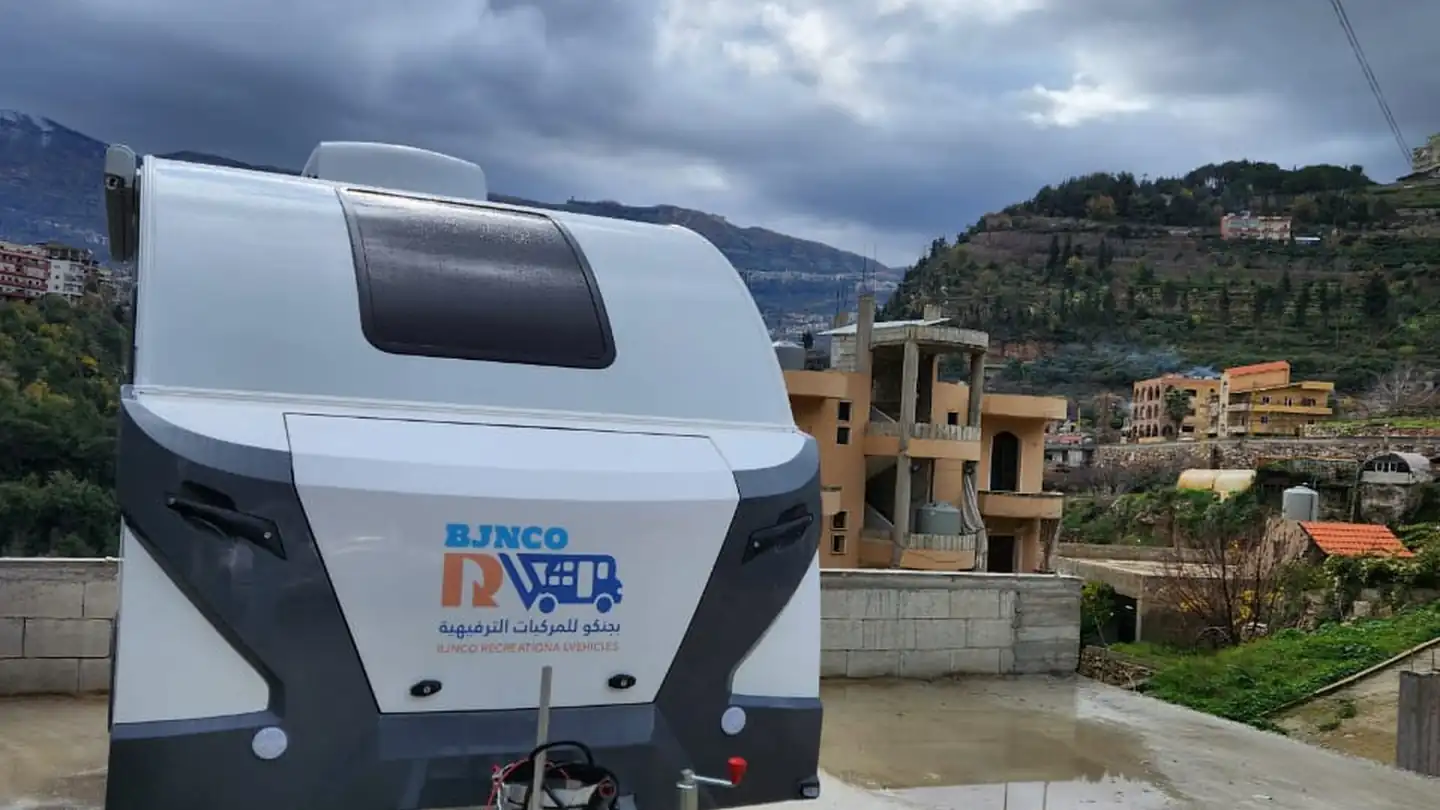
Camping and Road Trips in Lebanon: A Practical Guide for Vans and Caravans
Planning a camping or campervan trip in Lebanon? Regions to explore, seasons, where people camp, road conditions, water, safety and etiquette, for vans, caravans and tents.
Lebanon is small, but few countries pack so much variety into such a short drive. In a single day you can go from Mediterranean beaches to cedar forests and snowy peaks, then down into the wide Bekaa Valley. For anyone travelling with a campervan, caravan or tent, that makes it a remarkable place to explore, yet very little practical information exists in English.
This guide gives an overview of the regions, seasons and practicalities. Conditions, regulations and safety advice can change, so always check current official travel advice from your government and local sources before you go.
Why Lebanon for Road Trips?
- Short distances: most of the country is within a few hours' drive, so you spend more time exploring and less time driving.
- Huge variety: coast, mountains, valleys, rivers, forests and historic sites.
- Long camping season: mild coastal weather for much of the year, and cool mountain air in summer when the coast is hot.
- Hospitality: many travellers describe a strong tradition of welcoming guests, particularly in villages.
Understanding the Regions
The Coast
The coastal strip runs from the north near Tripoli down to the south near Tyre (Sour). It has beaches, historic port towns like Byblos (Jbeil) and Batroun, and plenty of seafood restaurants. Much of the coast is built-up, and finding quiet beach spots for overnight stays can be harder near cities. Further from the main urban areas, some beaches and private resorts welcome campers, sometimes for a fee.
Mount Lebanon and the High Mountains
The mountain range runs parallel to the coast. Areas such as the Chouf, Kesrouan, Metn and the Batroun highlands offer pine and oak forests, cooler summer temperatures and great hiking. Nature reserves like the Shouf Biosphere Reserve protect cedar forests and have their own rules for visitors, so check what is permitted before you plan to stay overnight.
North Lebanon: Qadisha, Bsharri and the Cedars
The north is home to the Qadisha Valley, a deep gorge with ancient monasteries, and the Cedars of God near Bsharri, one of the country's most famous natural sites. In winter, the higher areas get significant snow and some roads may be closed or require chains. In summer, it is one of the coolest places in the country to escape the heat. Akkar, further north, is greener and less visited, with forests and rural landscapes.
The Bekaa Valley
The wide, high plateau between the two mountain ranges is the country's agricultural heartland, with vineyards, farmland and the Roman temples of Baalbek. Summers are hot and dry, winters cold. Before travelling to specific parts of the Bekaa or border areas, check your government's travel advice, as guidance can differ by area.
The South
Southern Lebanon has historic cities, citrus groves and coastline. As with border regions in general, official travel advice may restrict or advise against travel to certain areas, so check current guidance carefully before planning a route.
When to Go
- Spring (roughly March to May): green hills, wildflowers and pleasant temperatures. Excellent for camping, though nights in the mountains can be cold.
- Summer (roughly June to September): hot and humid on the coast, pleasant in the mountains. Popular for mountain camping and festivals.
- Autumn (roughly October to November): warm days, cooler nights, and harvest season. Another great time for road trips.
- Winter (roughly December to February): rain on the coast, snow in the mountains. Skiing is popular at mountain resorts. Camping is possible with good preparation; read our winter camping tips.
Where Do People Camp?
Lebanon has fewer formal campsites than many European countries, and their facilities vary a lot. Common options include:
- Private campsites and eco-lodges, often in the mountains or near nature reserves, with toilets, water and sometimes electricity.
- Beach resorts that allow tents or vehicles, sometimes as part of an entry fee.
- Guesthouses and farms where owners may let you park overnight, especially if you buy a meal or produce.
- Private land with permission. Much land is privately owned. Always ask before staying, and respect the owner's wishes.
Avoid camping in nature reserves outside designated areas, near military or security sites, or anywhere that signs or locals indicate is not allowed. In some areas, it is wise to inform local authorities or your host of your plans.
Roads and Driving
- Main highways connect the coast and major towns, and traffic around Beirut can be very heavy.
- Mountain roads are often steep, narrow and winding, with tight hairpins. Shorter vans and lighter caravans are much easier on these roads.
- Driving style can be assertive. Stay calm, keep a safe distance, and expect the unexpected, such as vehicles stopping suddenly.
- Fuel is widely available in towns. Fill up before heading into remote mountain areas.
- Parking in cities and old towns is limited, especially for larger vehicles.
- Checkpoints exist on some roads. Carry your passport, driving licence and vehicle documents, and follow instructions politely.
Water, Power and Supplies
Being self-sufficient makes life much easier. Carry enough drinking water, as many travellers prefer bottled or filtered water. Shops in villages generally stock basics, and larger supermarkets are found in towns. Electricity supply can be irregular in some areas, so a campervan solar system is especially useful here.
For waste, take your rubbish with you, dispose of it properly in towns, and empty toilet cassettes only at appropriate facilities.
Practical Tips for Campervans and Caravans
- Size matters. A compact van or small caravan opens up many more mountain routes.
- Check your brakes before long descents, and use engine braking in low gears.
- Plan for heat. Good insulation, reflective window covers and a roof fan help enormously in summer. See our guide to staying cool in a campervan.
- Bring levelling blocks, as flat spots can be hard to find in the mountains.
- Carry spare fuses, a tyre repair kit and a compressor.
- Learn a few Arabic phrases. French and English are widely spoken, but a simple greeting in Arabic is always appreciated.
Respecting Nature and Local Communities
- Leave every place cleaner than you found it.
- Do not light fires in forests, especially in dry summer months when wildfires are a serious risk.
- Keep noise down, particularly near villages.
- Ask before photographing people or private property.
- Support local businesses: buy bread, cheese, fruit and honey from villages you pass.
Safety and Official Advice
Before travelling, read your government's current travel advice for Lebanon and specific regions, register with your embassy if that service is available, and have comprehensive travel insurance that covers your activities and vehicle. Follow local news while travelling, and keep emergency numbers and your accommodation details handy.
Final Thoughts
For travellers with a van, caravan or tent, Lebanon offers beaches, mountains, forests and history in a compact, rewarding package. Plan around the seasons, choose a vehicle that suits narrow mountain roads, carry your own water and power where possible, and always ask permission before camping on private land. With good preparation and respect for local rules, it can be one of the most memorable road trips in the Mediterranean.
Gear we recommend
As an Amazon Associate we earn from qualifying purchases. Learn more.
- Camping tent 4 person waterproof on Amazon
- Portable gas camping stove on Amazon
- Camping chairs folding lightweight on Amazon
- Electric cooler box on Amazon