How to Stay Cool in a Campervan or Caravan in Hot Weather
Practical ways to keep a campervan or caravan cool in summer heat: parking, shade, ventilation, fans, insulation, air conditioning options and staying safe from heat illness.
Summer is peak season for road trips, but a metal box parked in the sun can heat up fast. Across the Mediterranean and the Middle East, summer days are long and hot, and a van or caravan without a plan for heat can become uncomfortable, or even dangerous, within hours.
The good news is that a combination of smart parking, shading, ventilation and a few equipment choices can make a dramatic difference. This guide covers them in order of cost, starting with free habits.
Free Strategies: Habits That Work
1. Park Smart
Where you park is the biggest single factor in how hot your vehicle gets.
- Find shade, especially for the afternoon, when the sun is strongest. Trees on the west side of your pitch are ideal.
- Orient the vehicle so the largest windows avoid direct afternoon sun.
- Head for altitude. Temperatures generally fall as you climb. In countries like Lebanon, a drive of an hour or so from the coast into the mountains can bring noticeably cooler nights.
- Use sea breezes. On the coast, a pitch facing the sea often catches cooling afternoon breezes.
2. Time Your Day
Drive during the hottest hours, when the vehicle's air conditioning is running, and plan to arrive at camp in the late afternoon. Do active things early in the morning and in the evening.
3. Open Up at Night, Close Up by Day
When the night air is cooler than the air inside, open windows and vents to flush heat out. In the morning, before it heats up, close windows facing the sun and draw reflective covers to hold in the cool air for longer. This simple routine can be very effective in dry climates where nights are cool.
4. Cook Outside
Cooking adds heat and humidity. Use an outdoor stove or a simple table under an awning, and keep indoor cooking to a minimum on hot days.
Low-Cost Upgrades
5. Reflective Window Covers
Reflective covers on the outside of windows, especially the windscreen, block much of the sun's heat before it reaches the glass. Interior reflective screens help too, but external ones are usually more effective at keeping heat out.
6. Awnings and Shade Sails
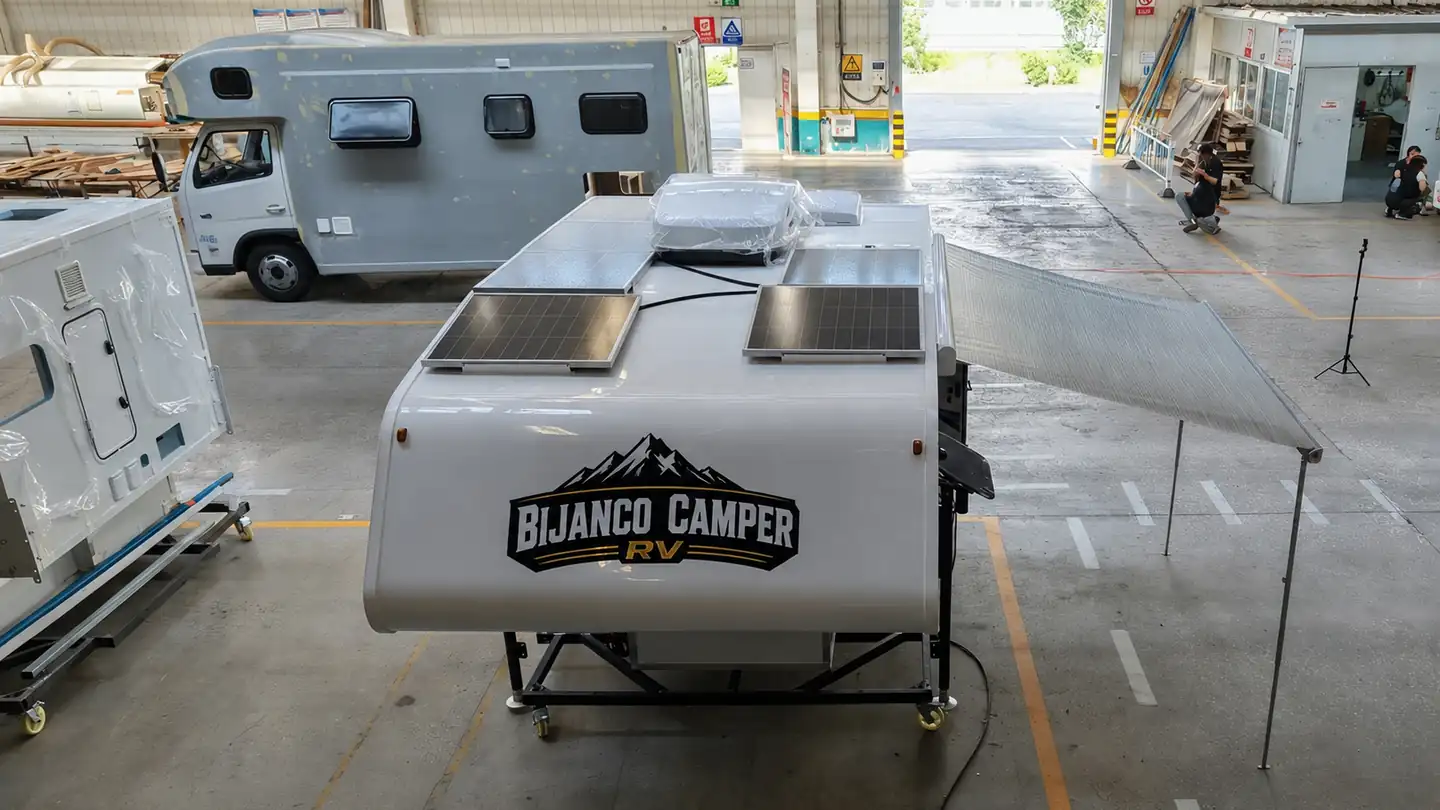
An awning shades the side of the vehicle and creates a cool outdoor living space. A simple shade sail or tarp over the roof, with an air gap between it and the van, can reduce how much the roof heats up.
7. 12V Fans
Small 12V fans that clip near the bed or seating use little power and make a big difference to comfort by moving air across your skin. Two or three placed well can be enough for many nights.
8. Light-Coloured Bedding and Breathable Fabrics
Cotton or linen sheets, a breathable mattress topper and light clothing help your body lose heat. Avoid sleeping on synthetic fabrics that trap heat and sweat.
Bigger Investments
9. A Powered Roof Fan
A reversible roof fan that can pull hot air out or bring fresh air in is one of the best comfort upgrades in any van or caravan. Hot air rises, so a roof fan extracting from the ceiling, with a window cracked open low down on the shady side, creates a strong cooling airflow.
10. Good Insulation
Insulation slows heat entering the vehicle through the roof and walls. It is most effective when combined with ventilation and shading. Our insulation guide explains materials and methods.
11. Air Conditioning
Air conditioning is the most effective way to cool a vehicle, but also the most power-hungry.
- Rooftop or under-bench units running on mains power work well on campsites with electric hook-up.
- 12V or battery-powered units exist, but they need a large battery bank, lots of solar and often alternator charging to run for meaningful periods.
- Running a generator may not be allowed on many campsites and adds noise and fumes.
If you plan to run air conditioning off-grid, size your electrical system carefully. Our electrical and solar basics will help you estimate the power you need.
12. Evaporative Coolers
Evaporative coolers pass air over water to cool it. They work best in dry heat, and much less well in humid conditions, such as many coastal areas in summer. They also add moisture to the air, which can increase condensation.
Keeping Food and Drink Safe
A compressor fridge works harder in heat, so make sure it has good ventilation around its vents. Avoid opening it too often, pre-chill drinks when you have power to spare, and keep the fridge out of direct sunlight. If you use a cool box, freeze water bottles to use as ice packs that double as drinking water.
Protecting Electronics and Batteries
Heat shortens battery life and can damage electronics. Install batteries, chargers and inverters in a ventilated location away from heat sources, and never leave phones, laptops or power banks on the dashboard in direct sun.
Pets and People: Heat Safety
Temperatures inside a closed vehicle in the sun can rise very quickly and become dangerous for people and pets. Never leave children or animals in a parked vehicle in hot weather, even with windows slightly open.
Watch for signs of heat illness, including headache, dizziness, nausea, heavy sweating or, in serious cases, confusion and hot dry skin. Move to a cooler place, drink water and seek medical help if symptoms are severe. Drink water regularly throughout the day, rest during the hottest hours, and wear a hat and sunscreen outdoors.
Water Planning in Hot Weather
You will drink much more water in summer. Carry more than you think you need, especially when heading to remote areas. Keep drinking water out of direct sunlight, and refill whenever you have a reliable source.
A Simple Hot-Day Routine
- Before sunrise: open everything to flush out heat, enjoy the cool morning.
- Early morning: close windows on the sunny side, put up reflective covers, deploy the awning.
- Midday: drive with the air conditioning on, or rest in the shade near water.
- Late afternoon: arrive at a shaded, breezy pitch, ideally at altitude or near the sea.
- Evening: cook outside, run the roof fan, and open up as soon as outside air is cooler than inside.
- Night: keep a cross-breeze going with insect screens on windows and vents.
Caravan-Specific Tips
Caravans have more glass and a larger interior volume than many vans. Pay extra attention to roof vents, use blinds on every window during the day, and use the awning to shade the main door side. Many caravans have more roof space, which can make fitting a mains-powered air conditioner more practical when you use campsites with electricity.
Final Thoughts
Staying cool is about stacking small advantages: park in shade, block the sun before it hits the glass, move air with fans, and ventilate at the right times of day. Add insulation and a good roof fan, and you will be comfortable through most summer days. Air conditioning is the final step for the hottest conditions, as long as your power supply can support it. If you are planning summer trips in the Eastern Mediterranean, also read our guide to camping and road trips in Lebanon.
Gear we recommend
As an Amazon Associate we earn from qualifying purchases. Learn more.
- 12V fan for campervan on Amazon
- Reflective window covers van on Amazon
- Portable air conditioner camping on Amazon
- Electric cooler box on Amazon