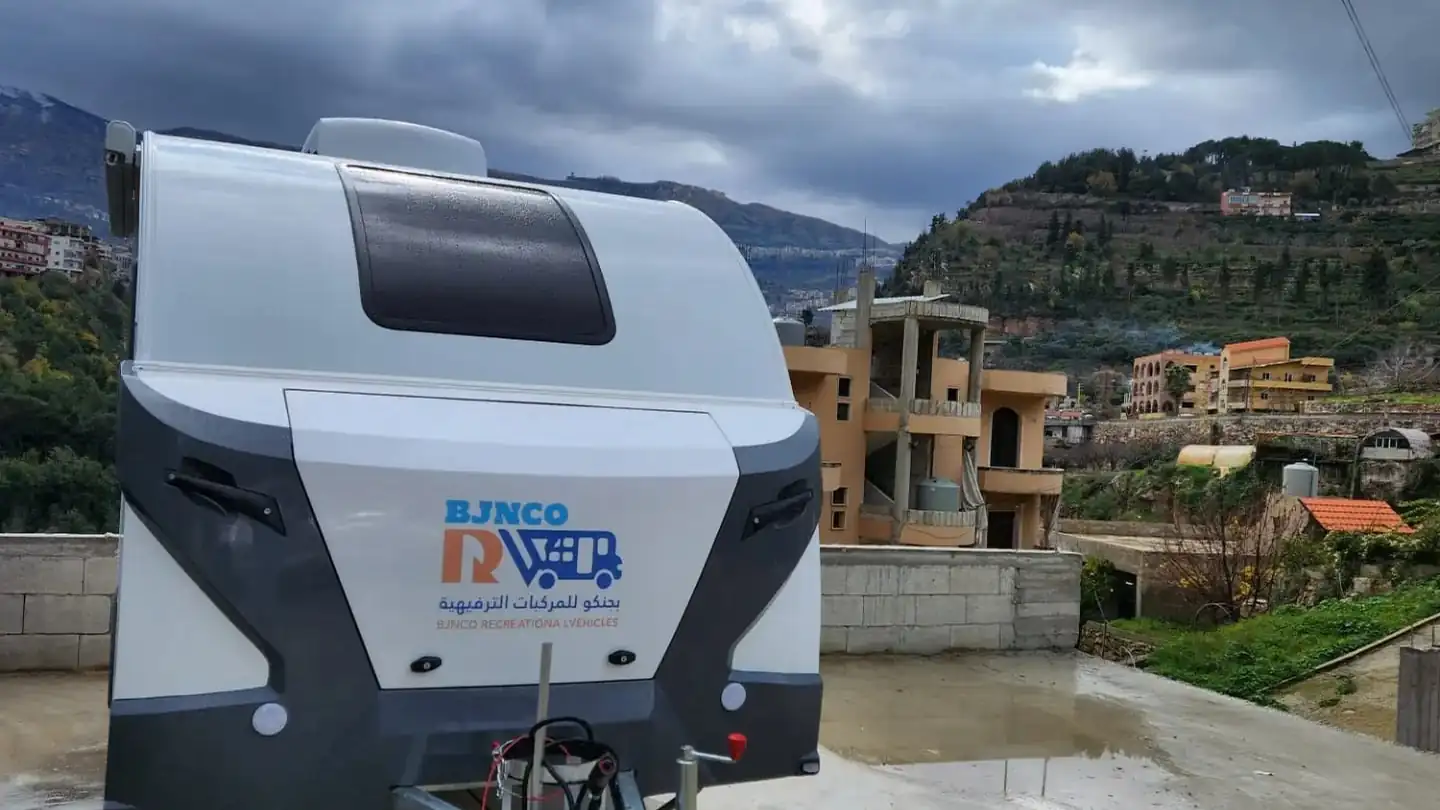
Towing a Caravan for the First Time: A Beginner's Guide
Everything a first-time caravan owner needs to know about towing safely: matching car and caravan, weights and nose weight, hitching, loading, driving, reversing and checks.
Towing a caravan or travel trailer for the first time can feel intimidating. Suddenly your car is twice as long, reacts differently to braking and wind, and needs a whole new way of reversing. The good news is that with the right setup, some knowledge and a bit of practice, towing becomes second nature.
This guide covers the essentials. Laws on towing, licences and weights differ by country, so always check local regulations and your vehicle's documentation.
Step 1: Match Your Tow Vehicle and Caravan
Before buying a caravan, check what your car can safely and legally tow. Look in the vehicle handbook or registration documents for:
- Maximum towing capacity (braked): the heaviest braked trailer the manufacturer allows.
- Maximum nose weight (tow ball load): the downward force the tow bar can take.
- Gross train weight: the maximum combined weight of the car, its load, and the trailer.
The caravan has its own key figures:
- Mass in running order (MIRO) or unladen weight: what it weighs empty, as specified by the maker.
- Maximum technically permissible laden mass (MTPLM) or gross trailer weight: the most it is allowed to weigh fully loaded.
- Payload: the difference between the two, available for your belongings, water and gas.
Many experienced towers follow a guideline of keeping the loaded caravan weight comfortably below the car's own kerb weight for better stability, especially for beginners. This is a common recommendation from caravan clubs, not a legal limit; the legal limit is whatever the manufacturer and your local laws state.
Also check your driving licence. In some countries, standard car licences only allow towing up to a certain combined weight, and heavier combinations need an additional test.
Step 2: Get the Right Equipment
- Tow bar fitted and rated for your vehicle, with the correct electrical socket for the caravan.
- Towing mirrors that let you see along both sides of the caravan. In many countries, they are a legal requirement when the trailer is wider than the car.
- Stabiliser (optional but helpful): many modern caravans have a built-in hitch stabiliser.
- Breakaway cable that applies the caravan brakes if it becomes detached.
- Wheel lock and hitch lock for security.
- Nose weight gauge to check the load on the tow ball.
Step 3: Load the Caravan Correctly
Loading is one of the most important factors in stable towing.
- Heavy items low and over the axle. Put heavier things on the floor, near the axle.
- Light items high and at the ends. Bedding and clothes can go in overhead lockers.
- Avoid heavy weight at the back. Too much weight behind the axle reduces nose weight and can cause dangerous swaying (snaking).
- Travel with water tanks empty where possible, and fill them at the campsite.
- Secure everything so nothing can slide.
- Check the nose weight after loading, and adjust until it is within the limits of both car and caravan.
Step 4: Hitching Up
- Lower the jockey wheel and wind the caravan hitch to just above tow ball height.
- Reverse the car slowly into position, ideally with a helper guiding you.
- Lower the hitch onto the ball until it locks and the indicator shows a correct connection.
- Attach the breakaway cable to the designated point on the car.
- Connect the electrical plug.
- Raise the jockey wheel fully and secure it.
- Release the caravan handbrake.
- Remove any wheel locks and corner steadies, and check they are fully raised.
- Check all lights: indicators, brake lights, side lights and fog light.
- Close roof vents, windows and doors; lock the door.
Always do a final walk-around before setting off.
Step 5: Driving
- Slow down. Respect lower speed limits for towing in your country, and drive below them in bad conditions.
- Increase following distance. Braking distances are longer with a trailer.
- Plan lane changes early, and remember you need much more space.
- Take corners wider so the caravan's wheels clear kerbs.
- Watch the wind. Strong crosswinds and passing trucks can push the caravan. Hold the steering wheel firmly but do not overcorrect.
- Use lower gears on hills, both going up and coming down, to avoid overheating the engine or brakes.
What to Do if the Caravan Sways
If the caravan begins to snake:
- Take your foot off the accelerator smoothly.
- Hold the steering straight, without trying to steer against the sway.
- Do not brake hard unless a collision is imminent; let speed fall gradually.
- Once stable, pull over safely and check loading, tyre pressures and nose weight.
Correct loading and sensible speeds prevent most sway problems.
Reversing a Caravan
Reversing is the skill most beginners worry about. The key rule: to make the caravan go left, turn the bottom of the steering wheel left. Holding the steering wheel at the bottom with one hand makes this intuitive.
Tips:
- Go very slowly.
- Make small steering corrections.
- If it goes wrong, pull forward to straighten and try again.
- Practise in an empty car park with cones before your first trip.
- A motor mover (a powered device that moves the caravan by remote control) can help with tight pitches.
Arriving at the Pitch
- Choose a level spot, or use levelling ramps.
- Apply the caravan handbrake before uncoupling.
- Disconnect the electrical plug and breakaway cable.
- Lower the jockey wheel and lift the hitch off the ball.
- Level the caravan side to side (with ramps) and front to back (with the jockey wheel).
- Lower corner steadies to stabilise it; they are not designed to lift the caravan.
- Connect hook-up, water and waste.
Pre-Trip Checks
- Tyres: pressures (set to the caravan maker's recommendation), tread depth and age. Caravan tyres often age out before they wear out because they are not used often; check the manufacture date.
- Lights working.
- Brakes and bearings serviced regularly according to the manufacturer.
- Gas off for travel, unless your system and local rules allow otherwise.
- Insurance that covers towing and the caravan itself.
Towing in Mountainous Regions
In mountain areas, such as Lebanon's high roads or the Alps, gradients and hairpin bends make towing more demanding. Use low gears, avoid riding the brakes, and stop to let brakes cool on long descents. Check routes in advance for narrow roads, weight limits or closures, and prefer smaller caravans if you plan to explore remote villages.
Common Beginner Mistakes
- Overloading the caravan with "just in case" items until it exceeds its maximum weight.
- Forgetting the jockey wheel, leaving it partly down so it scrapes on the road.
- Driving off with the corner steadies down or the electric cable still connected to the campsite post.
- Ignoring tyre age because the tread still looks good.
- Rushing reversing manoeuvres instead of stopping, getting out and looking.
A printed checklist kept in the car, read aloud before every departure, eliminates most of these errors.
Final Thoughts
Safe towing comes down to the right combination of car and caravan, careful loading, steady driving and regular checks. Practise hitching and reversing before your first big trip, and start with shorter journeys while you build confidence. If you are still deciding whether a caravan is right for you, read our caravan vs campervan comparison.
Gear we recommend
As an Amazon Associate we earn from qualifying purchases. Learn more.
- Towing mirrors extension on Amazon
- Trailer hitch lock on Amazon
- Caravan stabiliser hitch on Amazon
- Wheel chocks RV on Amazon