Caravan vs Campervan: Which Is Right for You?
An honest comparison of towed caravans (travel trailers) and campervans: space, driving, costs, flexibility, storage and the travel styles each one suits best.
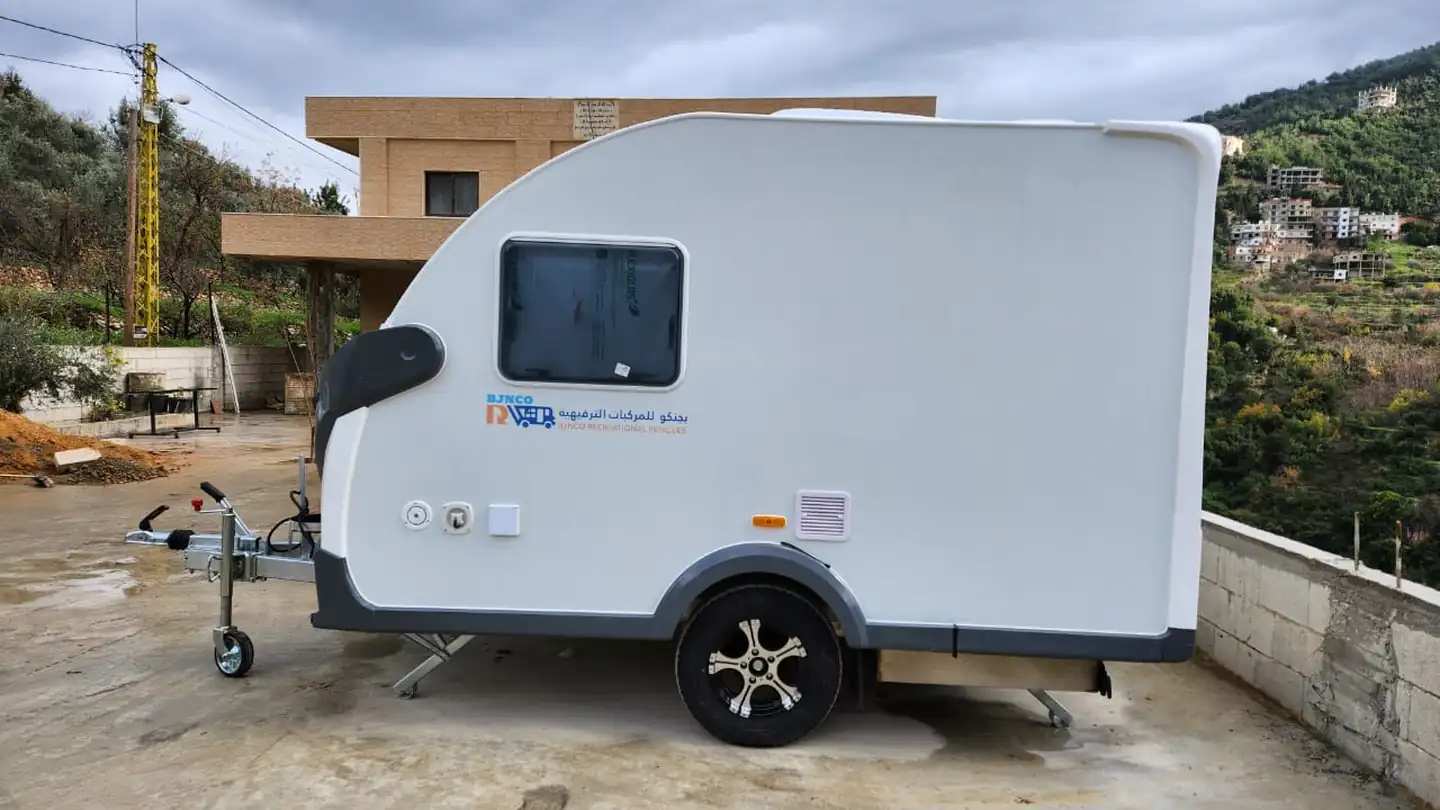
If you are dreaming of road trips with your own bed and kitchen, one of the first decisions is whether to tow a caravan (also called a travel trailer) or drive a campervan or motorhome. Both can give you wonderful holidays, but they suit very different travel styles.
This guide compares them across the factors that really matter, so you can choose based on how you actually travel rather than on photos.
Quick Definitions
- Caravan / travel trailer: a living unit with no engine, towed behind a car, SUV or pickup. You unhitch it at camp and use your vehicle separately.
- Campervan: a van converted for living, usually with a bed, kitchen and storage in one vehicle. Compact enough to use as a daily vehicle in many cases.
- Motorhome / RV: larger self-propelled living units built on a van or truck chassis, often with a separate living area and bathroom.
This article focuses mostly on caravans versus campervans, with motorhomes mentioned where relevant.
Space and Comfort
Caravans usually win on space for the money. Because the whole body is living space (no cab, no engine), even a modest caravan can fit a fixed double bed, a dinette, a kitchen and often a washroom. Families with children frequently choose caravans for this reason.
Campervans are more compact. A well-designed van can be very comfortable for one or two people, but space is always at a premium, and you may convert seating into a bed every night.
Driving and Manoeuvring
Campervans drive much like a large car or a commercial van. Parking is easier than with a caravan, and you can stop spontaneously at a viewpoint, a bakery or a narrow beach road.
Caravans require towing skills: reversing, managing crosswinds, braking distances, and staying within weight limits. Towing on steep, winding mountain roads demands care and a suitable tow vehicle. Some countries have additional licence requirements for heavier trailer combinations, so check local rules before buying.
Flexibility on the Road
Caravan advantage: Once you set up camp, you unhitch and use your car freely for sightseeing and shopping, leaving the caravan behind.
Campervan advantage: You can move every day with almost no setup. It suits touring trips where you visit a new place each night, and wild or informal camping where it is permitted.
Ask yourself: do you like to stay in one place for a week, or move every day or two? Stayers tend to love caravans; tourers tend to love campervans.
Costs
We will not quote specific prices because they vary by country and change quickly, but some general patterns hold:
- For the same living space, caravans usually cost less to buy than campervans, because they have no engine or drivetrain.
- If you already own a suitable tow vehicle, a caravan can be a very economical way to get into touring.
- Campervans include the vehicle, so you are buying transport and accommodation in one.
- Running costs differ. A caravan has no engine to service but adds tyres, brakes and towing fuel consumption to your car. A campervan has full vehicle running costs, insurance and servicing.
- Depreciation is a factor for both. Well-built and well-maintained units of either type tend to hold value better.
If budget is your main concern, build a simple spreadsheet with purchase, insurance, servicing, storage and fuel for each option over a few years.
Storage at Home
Caravans need somewhere to park when not in use. In dense cities, including Beirut and many Mediterranean towns, this can be a real problem, and paid storage adds cost. A compact campervan may fit a normal parking space and can double as a second vehicle.
Weather and Seasons
Both can be used year-round if insulated and heated properly. Caravans often have more room for bigger heaters and better insulation. Campervans heat up quickly thanks to their small volume. For winter use, see our winter camping tips.
Off-Road and Remote Travel
Standard caravans are designed for paved roads and good campsite access. Dedicated off-road caravans and trailers exist, with higher ground clearance and stronger suspension, but they are a specialist category.
Campervans, especially 4x4 versions, can reach more remote spots, though a large van will still struggle on narrow, rough tracks.
Facilities
Both can include a kitchen, water, electrics, heating, toilet and shower, depending on size and budget. Caravans tend to offer full washrooms at lower sizes; campervans often keep facilities minimal to save space.
Safety Considerations
- Caravans: correct nose weight on the hitch, load distribution, tyre condition and a properly rated tow vehicle are crucial. Snaking (sway) is a real risk if loading is wrong or speed is too high.
- Campervans: furniture and heavy items must be secured for crash safety. Payload limits are easily exceeded.
In both, fit smoke, carbon monoxide and gas alarms.
Who Should Choose a Caravan?
- Families who need more sleeping space.
- People who like to stay several days in one place.
- Those who already own a suitable tow vehicle.
- Anyone with space to store a trailer at home.
- Buyers who want maximum living space for their budget.
Who Should Choose a Campervan?
- Solo travellers and couples.
- People who like to move often and explore spontaneously.
- City dwellers without space for a trailer.
- Travellers who want one vehicle for daily use and holidays.
- Those who want simpler setup and no towing.
What About Other Options?
- Pop-top campers and rooftop tents are lighter, cheaper ways to start.
- Teardrop trailers are tiny caravans that a small car can tow, offering a bed and an outdoor kitchen.
- Food trailers and utility trailers are a different market, but many caravan makers also build them, so you may find workshops that can customise a trailer for both travel and business use.
A Middle Eastern and Mediterranean Perspective
In Lebanon and nearby countries, organised campsites are fewer than in Western Europe, and many people camp on private land, in mountain areas, or at beach spots with permission. A self-contained unit, with water, power and a toilet, becomes more valuable in that context. Narrow village roads also favour shorter vehicles and lighter trailers. Hot summers make ventilation, insulation and shading important whichever option you choose.
Questions to Ask Yourself Before Deciding
Answer these honestly, ideally with everyone who will travel with you:
- How many people will sleep inside on a typical trip, and will that change in the next five years?
- How many nights do you usually stay in one place?
- Do you already own a vehicle that is rated and equipped to tow?
- Where will the unit live when you are not travelling?
- Will you use it for daily driving or work as well?
- How confident are you reversing and manoeuvring a trailer?
- Do you prefer organised campsites or remote spots?
If most of your answers point to space, long stays and an existing tow vehicle, a caravan is likely the better fit. If they point to mobility, small groups and city parking, a campervan probably suits you more. Renting each type for a weekend before buying is one of the best ways to find out.
Final Thoughts
There is no universal winner. Caravans offer more space for the money and a free car at camp; campervans offer freedom, spontaneity and easier parking. Think about how many people travel, how often you move, where you will store it, and what you already own. If you lean towards a van, our step-by-step conversion guide and cost breakdown are good next reads.
Gear we recommend
As an Amazon Associate we earn from qualifying purchases. Learn more.
- Portable power station 1000Wh on Amazon
- Camping chairs folding lightweight on Amazon
- RV leveling blocks on Amazon
- Portable gas camping stove on Amazon