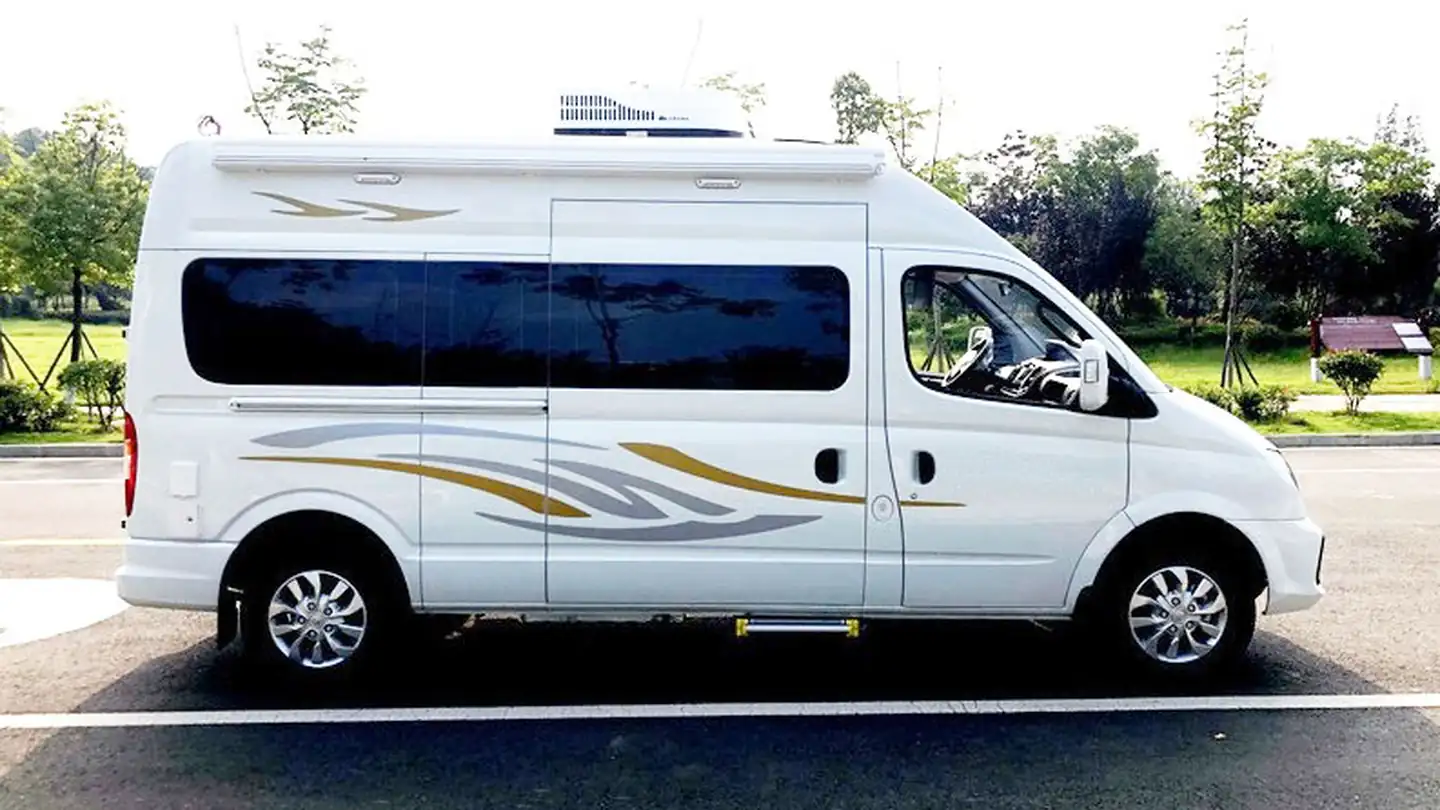
Best Vans for Camper Conversion: How to Choose the Right Base Vehicle
Compare the most popular base vehicles for campervan conversions, including large panel vans and compact vans, and learn what really matters: size, payload, reliability and parts.
The van you choose is the foundation of your entire conversion. It decides how much room you have, how comfortable the drive is, how easy it is to find parts on the road, and how much you can carry legally. A beautiful interior cannot fix a base vehicle that is too small, too unreliable or impossible to service where you travel.
This guide covers the factors that matter most, then looks at the most common base vans used for conversions around the world, with notes on availability in the Middle East and Mediterranean.
What Makes a Good Conversion Van?
1. Interior Height
Being able to stand up inside changes daily life in a van. High-roof versions of large panel vans usually allow most adults to stand. Low-roof vans are easier to park and fit in garages and car parks, but you will spend your indoor time sitting or stooping, unless you add a pop-top roof.
2. Length and Wheelbase
Longer vans fit a fixed bed, kitchen, and perhaps a small bathroom. Shorter vans are far easier in narrow mountain villages and old city streets, which matters a lot in Lebanon, where many mountain villages have tight lanes. Think honestly about where you will drive most.
3. Width and Sideways Sleeping
A bed across the van saves a lot of length, but only if the interior width suits your height. Some vans are wide enough for a short to average adult to sleep sideways; others are not. Some builders fit side flares (moulded panels) to gain extra centimetres.
4. Payload
Payload is the difference between the vehicle's maximum permitted weight and its unladen weight. Every conversion component, every litre of water, every person and every bag uses some of it. Lighter-duty versions of a van can run out of payload quickly once converted. Check the specific version, not just the model name.
5. Reliability and Parts Availability
On a long trip, the ability to get your van fixed in a small town matters more than any feature. Choose a model that is common in the regions where you will travel. In much of the Middle East, Toyota, Hyundai, Ford and Mercedes-Benz commercial vehicles are widely serviced, while some European-only models may be harder to support.
6. Front-Wheel vs Rear-Wheel vs 4x4
- Front-wheel drive vans usually have a lower load floor and are good on wet tarmac.
- Rear-wheel drive handles heavy loads and towing well.
- 4x4 or AWD versions add capability on sand, mud and mountain tracks, but cost more, weigh more and often use more fuel.
Popular Large Vans for Conversion
Mercedes-Benz Sprinter
One of the most popular conversion bases worldwide. It is available in many lengths and roof heights, with rear-wheel drive and 4x4 versions. Strengths include a wide range of configurations and a large aftermarket of conversion parts. Considerations: purchase and servicing can be more expensive, and some model years have had known rust issues, so inspect used examples carefully.
Ford Transit
The Transit is common across Europe, North America and the Middle East, which helps with parts and servicing. It comes in front-, rear- and all-wheel drive in many markets, and several lengths and roof heights. It is often considered a good balance of cost, comfort and availability.
Fiat Ducato, Peugeot Boxer and Citroën Jumper
These three are essentially the same van and form the basis of a large share of European factory motorhomes. Their front-wheel drive layout gives a low floor, and the interior is notably wide, which helps with sideways beds. Parts are plentiful in Europe; check availability in your region before choosing.
Renault Master, Nissan NV400 and Opel/Vauxhall Movano (older generations)
A capable family of large vans with good interior space. Popular in Europe, less so in some Middle Eastern markets.
Volkswagen Crafter and MAN TGE
Closely related to each other. They offer a comfortable, car-like drive and several drive options. Purchase price can be on the higher side.
Toyota HiAce (High-Roof Versions)
The HiAce is extremely common across the Middle East, Africa, Asia and Australia, and has a strong reputation for durability. High-roof versions make practical campers, though interior space is smaller than the largest European vans. Its huge regional presence makes parts and mechanics easy to find in places like Lebanon, Jordan and the Gulf.
Hyundai H350 / Solati and Hyundai H-1 / Staria
The larger Hyundai vans are seen in parts of the Middle East and offer good space. The smaller H-1 and Staria are popular as people carriers and can become compact campers.
Popular Compact and Mid-Size Vans
If you want something easier to drive daily and park in cities, consider a mid-size van with a pop-top roof:
- Volkswagen Transporter (T5, T6, T6.1 and later): the classic compact camper, with a big aftermarket and strong resale values.
- Ford Transit Custom: a popular, comfortable alternative.
- Mercedes-Benz Vito / V-Class: refined to drive, with several lengths.
- Toyota Proace, Peugeot Expert, Citroën Jumpy, Opel Vivaro: closely related vans that can make practical compact campers.
Compact vans usually have a rock-and-roll bed, a small kitchen unit and a pop-top for extra sleeping space. They make excellent weekend and couple campers.
New vs Used
New vans offer warranty, known history, and modern safety and efficiency. Used vans cost less up front and leave more budget for the conversion, but need careful inspection.
When inspecting a used van, check:
- Rust on the sills, wheel arches, floor and around the windscreen.
- Service history and evidence of regular oil changes.
- Signs of heavy commercial use, like a worn clutch or damaged load floor.
- Smoke from the exhaust, warning lights, and how the gearbox feels.
- That the registration documents match the vehicle and that it can legally be modified in your country.
A pre-purchase inspection by an independent mechanic is money well spent.
Matching the Van to Your Plans
| Your plan | A van type to consider |
|---|---|
| Weekend trips, daily driver | Mid-size van with pop-top |
| Couple travelling for weeks | Large van, medium or long wheelbase, high roof |
| Full-time living | Long wheelbase, high roof, good payload |
| Mountain tracks and beaches | 4x4 or AWD version, compact enough for narrow roads |
| Travel across the Middle East | A model with strong regional dealer and parts support |
Test-Drive Checklist
When you test-drive candidate vans, go beyond a quick loop around the block:
- Drive on the kind of roads you will use, including a steep hill and a motorway stretch if possible.
- Check visibility and mirrors. Converted vans usually have no rear window view, so good mirrors and a reversing camera matter.
- Sit in the driver's seat for a while. Long days at the wheel expose an uncomfortable seat or awkward pedal position.
- Listen for noise at speed. Cab noise becomes tiring on long journeys.
- Measure the cargo area yourself, including the space between the wheel arches, rather than relying on brochure figures.
- Check the turning circle if you plan to explore old villages and narrow streets.
Taking notes after each drive makes it far easier to compare vans fairly later.
Final Thoughts
There is no single "best" van. The best base is the one that matches your space needs, your budget, and the roads you will drive, and that a local mechanic can fix. Take time to sit inside different models, measure them, and imagine your layout before you buy. Once you have the van, follow our step-by-step conversion guide and check our cost breakdown to plan your budget.
Gear we recommend
As an Amazon Associate we earn from qualifying purchases. Learn more.
- Van conversion kit roof vent fan on Amazon
- Sound deadening mat car on Amazon
- OBD2 scanner bluetooth on Amazon
- Van leveling blocks on Amazon