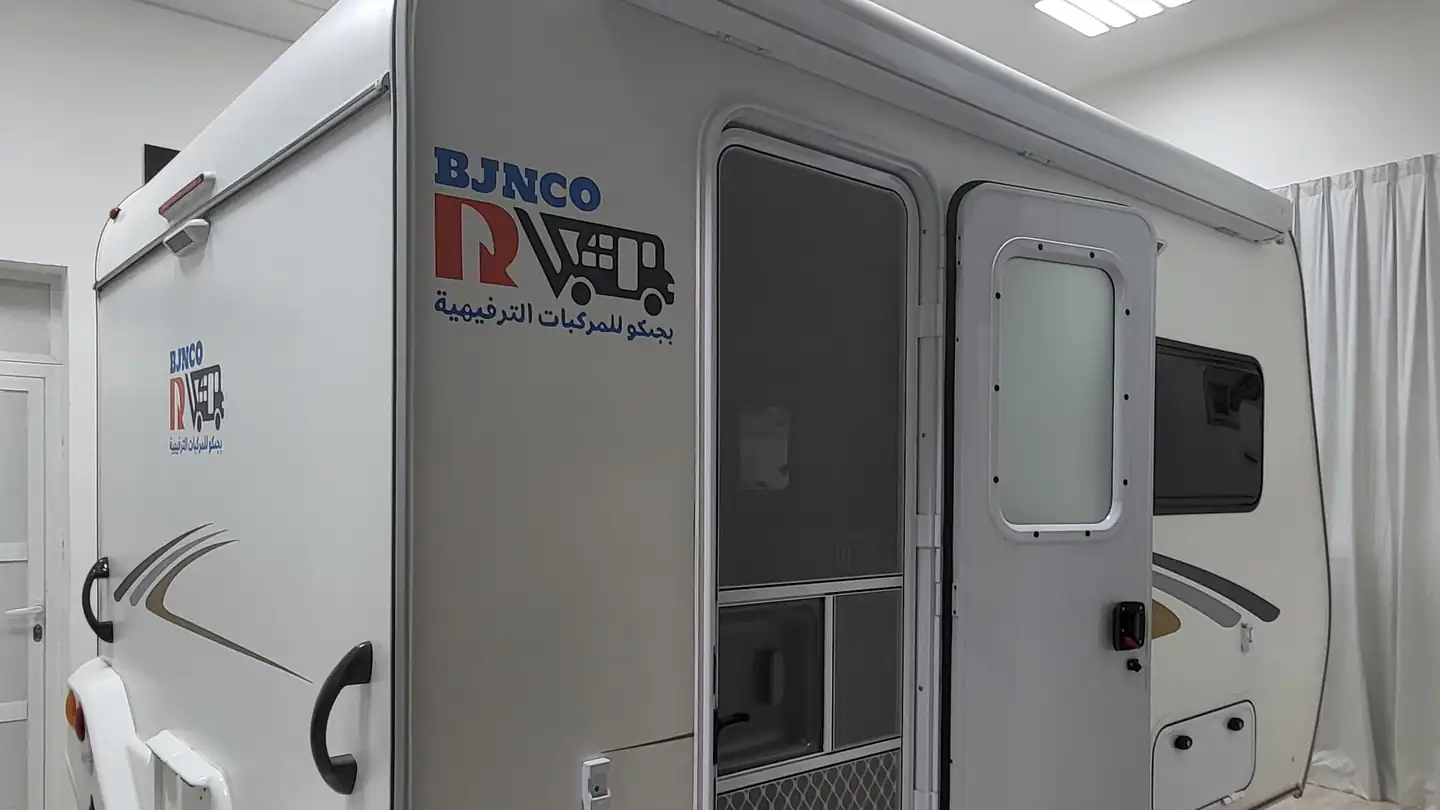
Caravan Maintenance Schedule: What to Check Before Each Trip, Monthly and Yearly
A practical caravan maintenance schedule with pre-trip checks, monthly tasks, seasonal jobs and annual service items covering tyres, brakes, damp, gas, electrics and water.
A caravan that is maintained regularly is safer to tow, more comfortable to use and holds its value better. Most serious caravan problems, such as damp, tyre failure and brake issues, develop slowly and can be caught early with a simple routine.
This guide sets out a practical maintenance schedule: checks before every trip, monthly tasks, seasonal jobs and an annual service. Adapt it to your caravan, your manufacturer's handbook and local regulations. Some tasks, especially gas, electrical and brake work, should be done by qualified technicians.
Before Every Trip
Tyres and Wheels
- Check tyre pressures when cold, using the figures in your caravan handbook.
- Inspect tyres for cuts, bulges, cracks and uneven wear.
- Check wheel nuts or bolts are tightened to the specified torque.
- Check the spare wheel, if carried.
Hitch and Towing
- Hitch head moves freely and locks correctly onto the towball.
- Breakaway cable attached correctly and in good condition.
- Jockey wheel raised and secured.
- Corner steadies fully raised.
- Road lights all working: indicators, brake lights, sidelights, fog light and number plate light.
- Towing mirrors fitted and adjusted.
Our beginner's guide to towing a caravan covers hitching in more detail.
Inside
- Heavy items stored low and near the axle.
- Cupboards, drawers and the fridge door secured.
- Roof lights and windows closed and locked.
- TV aerial or satellite dish lowered.
- Gas turned off at the bottle for travel (unless the system and regulations allow use while moving).
Weight
- Total weight within the caravan's maximum permitted mass.
- Nose weight within the limits of both the car and the caravan.
Monthly (or Every Few Weeks When in Use)
- Inspect seals around windows, doors, roof lights and external fittings.
- Look inside for any damp stains or musty smells.
- Check the leisure battery charge and terminals.
- Test smoke and carbon monoxide alarms.
- Check fire extinguisher pressure gauge (if fitted) and its expiry date.
- Clean the fridge and check door seals.
- Check the water system for leaks.
- Lubricate door hinges and locks as recommended.
When the Caravan Is in Storage
Storage periods can be hard on a caravan.
- Drain the water system completely if there is any risk of frost, including the water heater.
- Leave taps open and drain valves open as recommended by the manufacturer.
- Prop the fridge door open to prevent mould.
- Keep the leisure battery charged, or remove it and charge it periodically.
- Ventilate the interior; leave vents open and consider moisture absorbers.
- Remove cushions or stand them on edge to allow airflow.
- Use wheel chocks and, if possible, move the caravan slightly from time to time so tyres do not sit in the same position for months.
- Consider tyre covers to protect against sunlight, which ages rubber.
- Secure the caravan with appropriate locks.
In hot climates, strong sun can degrade seals, tyres and plastics. Shade or a breathable cover can help. Read our winter camping guide for cold-weather storage and frost precautions.
Seasonal Tasks (Start and End of Season)
Start of Season
- Recommission the water system: flush, sanitise and check for leaks.
- Reinstall and charge the leisure battery.
- Check all appliances: fridge, heater, water heater, hob and oven.
- Inspect tyres thoroughly, including age.
- Check lights and electrics.
- Clean the exterior and check for damage.
End of Season
- Clean inside and out.
- Empty and clean the toilet cassette.
- Drain the water system.
- Remove food and anything that could attract pests.
- Prepare for storage as above.
Annual Service
Most manufacturers recommend an annual service by a qualified technician. It typically includes:
- Damp test throughout the caravan to detect water ingress early.
- Gas system check for leaks and correct operation of appliances.
- Electrical safety check for mains and 12V systems.
- Brakes and running gear: adjustment, wear, wheel bearings and suspension.
- Chassis inspection for corrosion and damage.
- Hitch and coupling inspection and lubrication.
- Water system check.
- Ventilation checks to make sure safety vents are clear.
- Smoke and carbon monoxide alarms tested.
Keep records of every service. They matter when you sell, and they may matter for warranty claims.
Tyre Age
Caravan tyres often age before the tread wears out because caravans spend long periods parked. Many manufacturers and experts recommend replacing tyres after a certain number of years regardless of tread. Check the date code on the sidewall and follow guidance from your tyre or caravan manufacturer.
Damp: The Most Important Thing to Watch
Water ingress is the most common cause of serious, expensive damage. Signs include:
- Musty smells.
- Soft or spongy floors and walls.
- Staining or bubbling on wall boards.
- Rusty screws inside.
Act quickly if you notice any of these. Our used caravan inspection checklist explains damp checks in more depth.
Condensation vs Leaks
Not every wet patch is a leak. Condensation can form on cold walls and windows, especially in winter. Our guide to ventilation and condensation explains how to tell the difference and reduce moisture.
Simple Maintenance Kit to Carry
- Tyre pressure gauge and a portable compressor.
- Torque wrench for wheel nuts.
- Spare bulbs and fuses.
- Sealant suitable for caravans (for temporary repairs).
- Basic tools and a torch.
- Wheel chocks and levelling ramps.
- Spare breakaway cable.
Example Cost Ranges
As a labelled example only, annual service costs vary by country, workshop and caravan size. Additional repairs found during a service, such as damp repairs or brake parts, will add to the cost. Ask for a quote and an itemised list of checks. Regular maintenance is almost always cheaper than major repairs.
Keeping a Maintenance Log
A simple log makes this schedule far easier to follow. Record the date, what was checked, any problems found and what was done about them. Note tyre pressures, battery condition and any damp readings from your annual service so you can spot trends. A rising damp reading in one corner over two years, for example, is an early warning worth acting on. A log also reassures future buyers and helps technicians understand your caravan's history.
Final Thoughts
A good maintenance routine takes a little time before each trip and a few hours each season, but it pays back in safety, reliability and peace of mind. Keep a notebook or digital log, follow your manufacturer's handbook, and use qualified technicians for safety-critical work. If you are still deciding whether a caravan is right for you, see our comparison of caravans and campervans.
Gear we recommend
As an Amazon Associate we earn from qualifying purchases. Learn more.
- Caravan mover tyre pressure gauge on Amazon
- RV sealant self leveling on Amazon
- Grease gun on Amazon
- Wheel chocks RV on Amazon