Pop-Top vs High-Roof Campervan: Which Roof Is Right for You?
Compare pop-top and high-roof campervans on headroom, insulation, driving, parking, cost and daily comfort to decide which roof style fits how you travel.
One of the biggest early decisions in any campervan project is the roof. Do you buy a low-roof van and fit a pop-top, or start with a high-roof panel van? Both approaches give you standing room, but in very different ways. The choice affects how the van drives, where you can park, how warm it stays in winter, how much it costs and how you live inside it every day.
This guide compares the two options honestly so you can match the roof to your travel style rather than to a photo you liked online.
What Is a Pop-Top?
A pop-top (or elevating roof) is a section of the roof that lifts up when parked, usually hinged at one end or rising straight up on struts. The sides are typically fabric or canvas, often with zip-open windows and mosquito mesh. Many pop-tops include a bed in the raised section, turning a small van into a sleeping space for two extra people.
Pop-tops are most common on compact and mid-size vans that would otherwise be too low to stand up inside.
What Is a High-Roof Van?
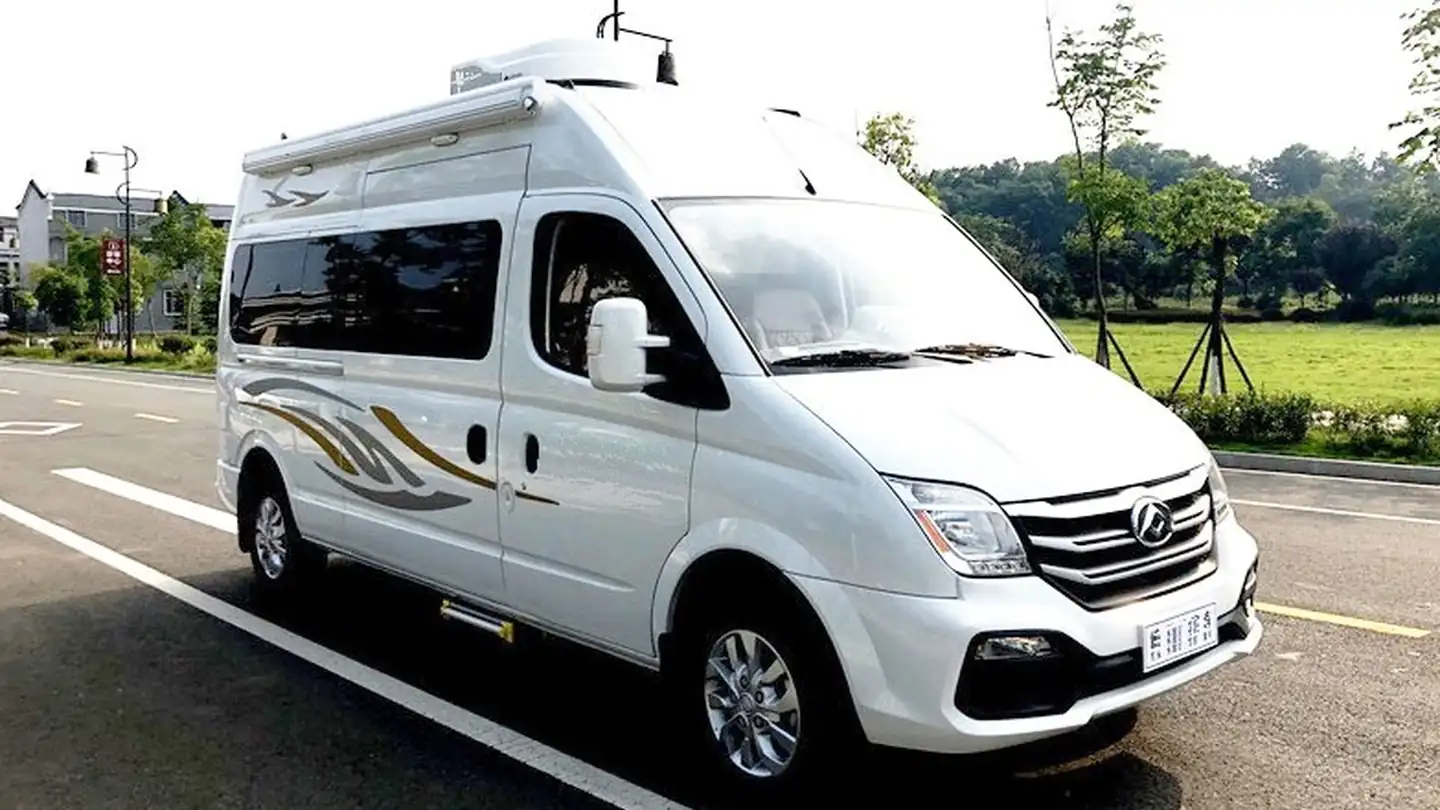
A high-roof van is built by the manufacturer with a tall fixed roof. Large panel vans are often sold in several roof heights. The highest versions allow most adults to stand up at all times, whether the van is parked or moving, without any mechanism.
Some builders also fit aftermarket fixed high-top roofs made from fibreglass, but here we focus on factory high-roof vans.
Headroom and Living Space
High-roof: You can stand up any time, including at a quick roadside stop to make coffee, without setting anything up. The extra height also allows overhead cupboards, taller wardrobes and sometimes a shower cubicle.
Pop-top: You only have standing room when the roof is up. When it is down, the van behaves like a normal low van inside. The raised section often has limited standing area, because the fabric sides slope or the bed takes up space. On the other hand, the open canvas feels airy and connects you to the outside.
If you plan to spend lots of time inside, especially in bad weather, the high-roof wins for daily comfort.
Driving and Parking
Pop-top: A lower vehicle is usually less affected by crosswinds and may feel more car-like to drive. Crucially, many pop-top vans fit under height barriers at car parks, into underground garages and through narrow old-town streets. This is a big advantage in cities and coastal towns around the Mediterranean, where height restrictions are common.
High-roof: Tall vans catch more wind, and you must always remember your height. Some car parks, drive-throughs, ferries and garages will be off limits. Low branches on rural roads can also be an issue.
If you will use the van as a daily vehicle, the pop-top is often the more practical choice.
Insulation, Noise and Climate
High-roof: A solid roof can be fully insulated, which keeps the van warmer in winter and cooler in summer. It is also quieter in rain and wind. See our campervan insulation guide for how to insulate roofs well.
Pop-top: Canvas sides lose heat quickly in cold weather and let in more noise. Some manufacturers offer insulated covers for winter use. In hot weather, the mesh windows can provide excellent ventilation, but direct sun on fabric can make the upper area warm. Condensation can also form on the canvas in cool, damp conditions.
For winter mountain trips, a high-roof is generally easier to keep comfortable. Our winter camping tips have more advice.
Security and Stealth
A high-roof panel van looks like a work van, which can be discreet. A pop-top van looks like a normal van when closed, but becomes obviously a camper when raised. Fabric sides are also less secure than metal walls. If you often sleep in towns, consider how visible you want to be and read our campervan safety and security tips.
Weather Limitations
Pop-tops have limits. In strong winds, many manufacturers advise lowering the roof. In heavy rain, canvas must be dried properly afterwards to avoid mould. Packing up a wet roof and leaving it closed for days is a common cause of damage.
High-roof vans have no such restrictions; you simply park and live.
Cost
As a labelled example only: a pop-top conversion on a compact van is a significant expense, because it involves cutting the roof, structural reinforcement and a professionally made roof unit. A high-roof van costs more to buy new than its low-roof equivalent, but there is no extra roof work. Used prices vary widely by market. Check local suppliers and use our van conversion cost breakdown to budget the rest of the build.
Also consider that roof modifications may need approval or inspection in some countries, and can affect insurance. Check local rules before cutting metal.
Interior Layout Possibilities
Pop-top layouts often use a rock-and-roll bench seat that converts to a bed downstairs, a compact side kitchen and a second bed in the roof. They suit couples or small families who spend lots of time outdoors.
High-roof layouts can include a fixed rear bed with storage below, a full kitchen, a bathroom with toilet and shower, and lots of cupboard space. They suit long-term travel and full-time living. For bed choices, see our guide to choosing a campervan bed layout.
Weight and Fuel Use
Pop-top roofs add weight high up, but the overall van is often smaller and lighter. High-roof vans are larger and their extra frontal area can increase fuel use at motorway speeds. The difference depends on vehicle and driving style, so compare manufacturer figures for the specific models you are considering.
Quick Comparison
| Factor | Pop-Top | High-Roof |
|---|---|---|
| Standing room | Only when raised | Always |
| Car parks and garages | Usually fits more | Often restricted |
| Winter comfort | Harder | Easier |
| Ventilation | Excellent with mesh | Needs fans and vents |
| Storage | Limited | Generous |
| Daily driver | Very practical | Less practical |
| Bathroom | Rare | Possible |
Which Should You Choose?
Choose a pop-top if you want a vehicle you can drive every day, park in towns, take on weekend trips and enjoy in good weather, and if you spend most of your time outdoors.
Choose a high-roof if you plan long trips or full-time living, travel in all seasons, want a bathroom or lots of storage, and spend significant time inside.
If you are still choosing the base vehicle itself, our guide to the best vans for camper conversion explains what else to look for.
Living With Each Roof Day to Day
It helps to picture an ordinary day. In a pop-top, you arrive, park, release the roof catches and lift it, which usually takes a minute or two. In the morning you may need to fold bedding away before lowering it, and in rain you will want to let the canvas dry before closing up for long. Many owners find this routine becomes second nature; others find it a small but constant chore.
In a high-roof van, you simply open the door and step inside. The trade-off appears elsewhere: checking height signs, avoiding some car parks and feeling the wind on exposed coastal roads. Neither routine is wrong, but one will suit your temperament better.
Resale Considerations
Both styles have strong second-hand markets in many countries. Well-maintained pop-tops on popular compact vans often hold their value well because they appeal to people who want a daily driver. High-roof conversions appeal to long-term travellers. Keep receipts and documentation for any roof work, as buyers will ask.
Final Thoughts
There is no universally better roof, only a better match for your trips. Rent or borrow both styles for a weekend if you can. Spending one rainy evening inside each will usually make the decision for you.
Gear we recommend
As an Amazon Associate we earn from qualifying purchases. Learn more.
- Roof rack cargo box on Amazon
- Awning for van on Amazon
- 12V roof vent fan RV on Amazon
- Van leveling blocks on Amazon