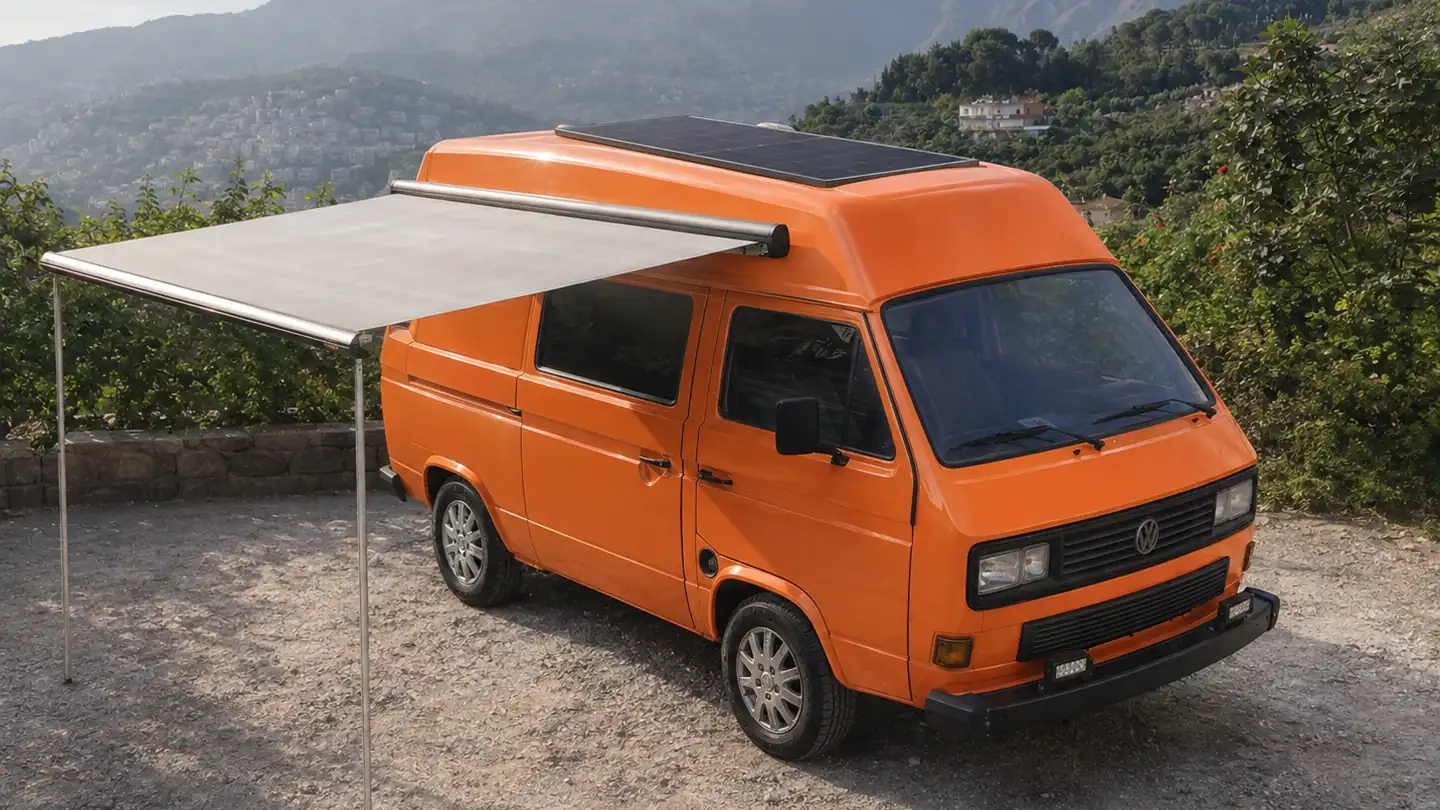
Lebanon's Coast by Campervan: From Batroun to Tyre
A practical guide to driving Lebanon's coast by campervan or caravan, from Batroun and Byblos through Beirut and Saida to Tyre, with advice on traffic, parking, beach camping, heat and checking local conditions in the south.
Lebanon's coastline is short but packed with history, food and sea views. In one trip you can move from the old harbour town of Batroun to ancient Byblos, through Beirut, and south to Saida and Tyre. A campervan makes it easy to stop when you like, swim, and sleep near the sea where it is permitted.
This guide covers the main stops, the realities of driving and parking on the coast, and how to camp responsibly. Conditions, especially in the south, can change, so always check current advice before you travel.
The Coast at a Glance
From north to south, the main stops on this route are:
- Batroun: a small coastal town with an old souk, a Phoenician sea wall, beaches and a lively summer scene.
- Byblos (Jbeil): one of the oldest continuously inhabited towns in the world, with an archaeological site, a crusader castle and a pretty old harbour. It is a UNESCO World Heritage Site.
- Jounieh and the bay: a busy area north of Beirut, with the Harissa hill above it.
- Beirut: the capital, with museums, food and neighbourhoods to explore, but heavy traffic.
- Damour and the Chouf coast: a transition to quieter country south of Beirut.
- Saida (Sidon): a historic port with a sea castle and an old souk.
- Tyre (Sour): an ancient city with large archaeological sites, also a UNESCO World Heritage Site, and a nature reserve on its coast.
Driving the Coastal Highway
The main coastal highway links most of these towns. It is the busiest road corridor in the country, so plan for:
- Heavy traffic, especially around Beirut and Jounieh, and at weekday rush hours and summer weekends.
- Fast and unpredictable driving. Keep a generous gap, use mirrors constantly, and avoid sudden lane changes in a large vehicle.
- Height and width: some city streets, old quarters and car parks are tight. Long vans and caravans are better parked outside historic centres.
- Avoiding city centres in a caravan: if you tow, consider leaving the caravan at a base and exploring by van or taxi.
Driving early in the morning is usually calmer and cooler.
Batroun
Batroun is a good starting point. Its old town and harbour are compact and walkable, with cafés and seafood restaurants. Beaches and rocky swimming spots line the coast nearby.
For van travellers:
- Parking in the old town is limited. Park on the edges and walk in.
- Summer weekends are busy. Arrive early for parking.
- Beach access: some beaches are private resorts with entry fees; public spots exist but facilities vary.
Byblos (Jbeil)
Byblos combines a large archaeological site with an attractive old souk and harbour. Plan at least half a day.
- Parking is available around the town, but the old centre is best explored on foot.
- Heat: the archaeological site has little shade, so visit early or late in the day, with water and a hat.
Beirut
Beirut is worth seeing, but it is not an easy city for large vehicles. Many travellers park outside the centre or stay with friends and explore by taxi or on foot. If you drive in, choose secure paid parking where possible and avoid leaving valuables in sight. See our campervan safety and security tips.
South of Beirut: Damour to Saida
South of the capital, the coast becomes less built-up in places, with farmland and banana plantations. Saida has a sea castle, a historic souk and good food. Its old streets are narrow, so park on the edge and walk.
Tyre
Tyre has large archaeological sites and sandy beaches nearby. The coast south of the city includes a protected nature reserve, which has its own rules about access and use, so check them before visiting.
Checking Conditions in the South
Before travelling south of Saida, and especially towards areas close to the southern border, check:
- Current official travel and security advice from your government and local authorities.
- Local news and residents' advice on which areas and roads are accessible.
- Checkpoints: carry your identity documents and vehicle papers, and follow instructions.
Conditions can change quickly. If advice is uncertain, change your plans.
Where to Sleep on the Coast
The coast is the most built-up part of Lebanon, so quiet free spots are rarer than in the mountains. Common options are:
- Beach resorts and campsites that accept vans or tents, sometimes for a fee and with facilities.
- Guesthouses with parking or garden space, with permission.
- Private land with the owner's permission.
Wherever you stop, avoid blocking access, keep noise low, and do not camp in protected areas without permission. Beach areas often have local rules, so ask.
Heat and Humidity
Summer on the Lebanese coast is hot and humid, and nights can stay warm. To stay comfortable:
- Park in shade where possible, and point the van to catch the sea breeze.
- Ventilate well: roof fans and window screens help. See campervan ventilation and condensation.
- Use reflective window covers during the day.
- Plan midday breaks indoors or in the sea.
Our full guide to staying cool in a campervan in hot weather has more ideas.
Water, Power and Supplies
- Supplies are easy to find in every coastal town.
- Water: buy drinking water and fill your tanks where you have permission. See our water system guide.
- Power: solar works well in summer. A good 12V fridge makes coastal trips much easier.
- Waste: use proper bins and never empty toilet waste on beaches or into the sea.
Seasons
- Spring and autumn: often the best time, warm enough to swim later in spring and early autumn, without the peak heat.
- Summer: busy and hot, but great for swimming. Book or arrive early.
- Winter: mild compared to the mountains, with rain and storms at times. Quieter beaches and towns.
Food Along the Coast
Food is one of the best reasons to drive the coast slowly. Every town has bakeries selling manakish in the morning, fruit and vegetable stalls, and fish restaurants near the harbours. Buying fresh produce locally keeps your fridge light and supports small businesses.
A few practical habits help:
- Shop in the morning before the heat, and store perishables in the fridge straight away.
- Carry a cool box as a backup if your fridge is small.
- Ask about fish of the day and prices before ordering in harbour restaurants.
- Keep a simple cooking kit for nights when you prefer to eat by the van.
Sample Three-to-Four-Day Itinerary
- Day one: Batroun old town, swimming and a seafood dinner.
- Day two: Byblos in the morning, then drive south past Beirut, perhaps with a short city visit.
- Day three: Saida's castle and souk, then continue to Tyre.
- Day four: Tyre's archaeological sites and beach, if current conditions allow, then return north or head into the mountains.
If you want cooler air after the coast, combine this with a mountain route from our guide to the best mountain roads in Lebanon for vans and caravans.
Final Thoughts
A coastal campervan trip packs ancient towns, seafood, swimming and sunsets into a short distance. Accept that traffic and parking take patience, keep historic centres for walking, choose camping spots with permission, and check conditions carefully before heading south. For wider planning, see our Lebanon camping and road trip guide.
Gear we recommend
As an Amazon Associate we earn from qualifying purchases. Learn more.
- Beach umbrella portable on Amazon
- Snorkel set adult on Amazon
- Outdoor shower portable camping on Amazon
- Electric cooler box on Amazon