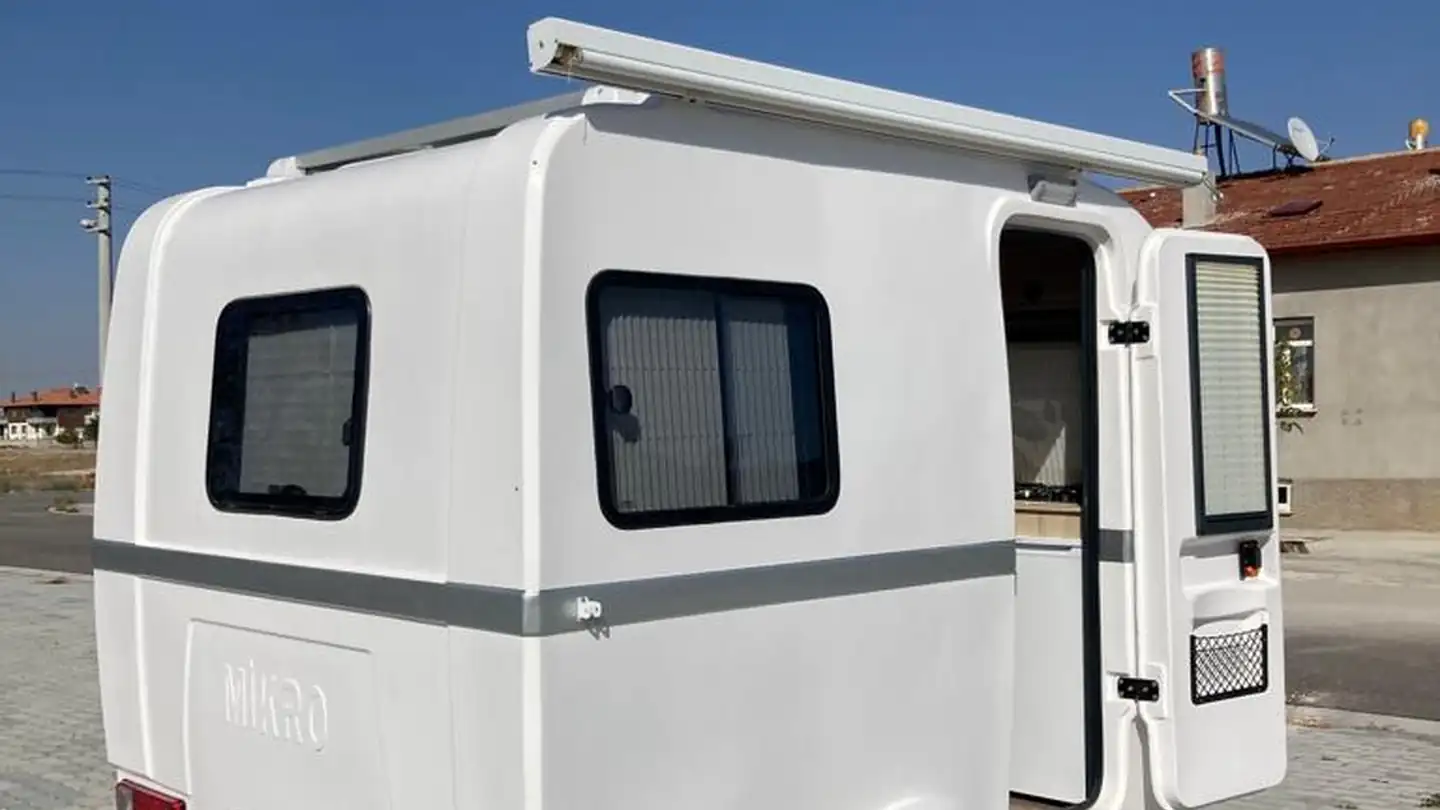
Teardrop Trailers: A Beginner's Guide to Small Camping Trailers
What teardrop trailers are, who they suit, how they compare with caravans and campervans, towing considerations, layouts, and what to check before buying one.
Teardrop trailers are small, lightweight camping trailers with a distinctive curved profile. Inside, there is usually just enough room for a double bed. At the back, a hatch lifts up to reveal a compact outdoor kitchen. They have a loyal following because they are simple, easy to tow and charming to look at, and because they encourage you to spend your time outside rather than inside.
This guide explains what teardrop trailers are, who they suit, the advantages and limitations, and what to think about before buying or building one.
What Is a Teardrop Trailer?
The classic teardrop is a sleeping cabin on a small trailer chassis. Most share a few features:
- A bed-sized cabin with side doors on one or both sides.
- A rear galley under a lifting hatch, with a cooking area, storage and sometimes a cool box or small fridge.
- A low, aerodynamic shape that tows easily behind ordinary cars.
- Light weight, often low enough for small cars, depending on the model and equipment.
Modern versions may include off-road suspension, roof racks, awnings, solar panels and leisure batteries. Some are built for tarmac and campsites; others are designed for rough tracks.
Who Are Teardrop Trailers For?
Teardrops suit people who:
- Want something more comfortable than a tent but simpler than a caravan.
- Already own a car and do not want a second large vehicle.
- Spend most of their camping time outdoors.
- Travel solo or as a couple.
- Value easy towing, storage and manoeuvring.
They are less suitable for families who need several beds, people who want indoor cooking and a bathroom, or travellers planning long stays in cold or wet weather.
Advantages
Easy Towing
Because they are small and light, teardrops are much easier to tow than full-size caravans. They are less affected by crosswinds, easier to reverse (although very short trailers can actually be twitchy to reverse because they react quickly), and use less fuel. Always check your car's towing capacity and the trailer's actual laden weight. Our beginner's guide to towing a caravan covers the basics that apply to any trailer.
Simple Storage
Many teardrops fit in a driveway or garage. Some can be moved by hand on flat ground.
Quick Setup
Arrive, unhitch if you want, open the door and the bed is ready. There is no tent to pitch and no roof to raise.
Leave the Car Free
Unlike a campervan, you can unhitch the trailer at a campsite and use your car for day trips.
Limitations
No Standing Room
You cannot stand inside a teardrop. Getting dressed happens sitting or lying down, and bad weather means you either sit in the bed or under an awning.
Outdoor Kitchen
The rear galley is lovely in good weather, but cooking in rain, strong wind or cold is less fun. An awning over the hatch helps a lot.
Limited Storage
Space is tight. You need to pack lightly and smartly.
No Bathroom
Most teardrops do not have a toilet or shower. You will rely on campsites, public facilities or a portable toilet in a separate tent. See our campervan toilets compared article for portable options.
Teardrop vs Caravan vs Campervan
| Factor | Teardrop | Caravan | Campervan |
|---|---|---|---|
| Towing | Easy | Requires practice | No towing |
| Interior space | Bed only | Living space | Compact living space |
| Cooking | Outdoor galley | Indoor kitchen | Indoor kitchen |
| Bathroom | Rarely | Usually | Sometimes |
| Car for day trips | Yes | Yes | No (unless you carry bikes) |
| Storage at home | Easy | Harder | Daily vehicle |
For a broader comparison of caravans and vans, see caravan vs campervan.
Key Features to Consider
Chassis and Suspension
The chassis should be galvanised or well protected against corrosion. For gravel tracks and rough roads, look for independent suspension, higher ground clearance and stronger wheels. For campsites and tarmac only, a simpler chassis is fine.
Brakes
Lighter trailers may not legally need brakes in some countries, while heavier ones do. Rules differ by country, so check local regulations for the trailer's maximum weight.
Insulation and Ventilation
A small sealed cabin with two people breathing in it overnight produces a lot of moisture. Without good ventilation and some insulation, condensation can build up on walls and ceilings. Roof vents, opening windows with mesh and insulated walls make a big difference. Read our guide to campervan ventilation and condensation, as the same principles apply.
Electrics
A basic setup may include a leisure battery, LED lights and USB sockets. More advanced trailers add solar panels and a 12V fridge. The principles in our electrical and solar basics guide apply directly.
Mattress
You will spend most of your inside time on the bed, so mattress quality matters a lot. Check its size against your height and ask whether it is a standard size you can replace easily.
Galley Layout
Look at the worktop height, the storage for pots and food, where the stove sits and how well the hatch seals in rain. A galley you enjoy using makes the whole experience better.
Buying New vs Used
New teardrops let you choose features and come with a warranty. Lead times can be long for small manufacturers.
Used teardrops can be good value, but check:
- Water ingress around the doors, hatch and roof.
- Soft spots in the floor or walls.
- Chassis corrosion and condition of the hitch.
- Tyre age and condition.
- Lights and electrical connections.
- Hatch struts that still hold the hatch up firmly.
Our used caravan inspection checklist covers many of the same checks in more detail.
Building Your Own
Teardrops are a popular DIY project because of their small size. If you build one:
- Start with a strong, roadworthy trailer chassis.
- Design for weight; it adds up quickly.
- Seal every joint carefully; water is the enemy.
- Plan wiring before closing walls.
- Check whether your country requires inspection or registration for a self-built trailer.
Example Cost Ranges
As an example only, teardrop prices range from relatively affordable basic models to premium off-road versions that cost as much as a small car. Used prices depend heavily on condition and local demand. Compare several sellers and include tyres, insurance, storage and accessories in your budget.
Teardrops in the Middle East and Mediterranean
A teardrop's outdoor-living style fits the long, dry seasons in much of the region well. Consider shade and heat: a small cabin can get hot in direct sun, so park in shade when possible and use reflective covers. Our tips for staying cool in a campervan work just as well for small trailers. In mountain areas, nights can be cold even in late spring, so pack warm bedding.
Final Thoughts
A teardrop trailer is a simple, enjoyable way to camp, especially if you already own a capable car and love being outdoors. Be honest about how much indoor space you need, check your towing limits, and you may find that a small trailer gives you exactly the freedom you were looking for.
Gear we recommend
As an Amazon Associate we earn from qualifying purchases. Learn more.
- Teardrop trailer kitchen camp box on Amazon
- Trailer hitch lock on Amazon
- Wheel chocks RV on Amazon
- Camping awning tent on Amazon