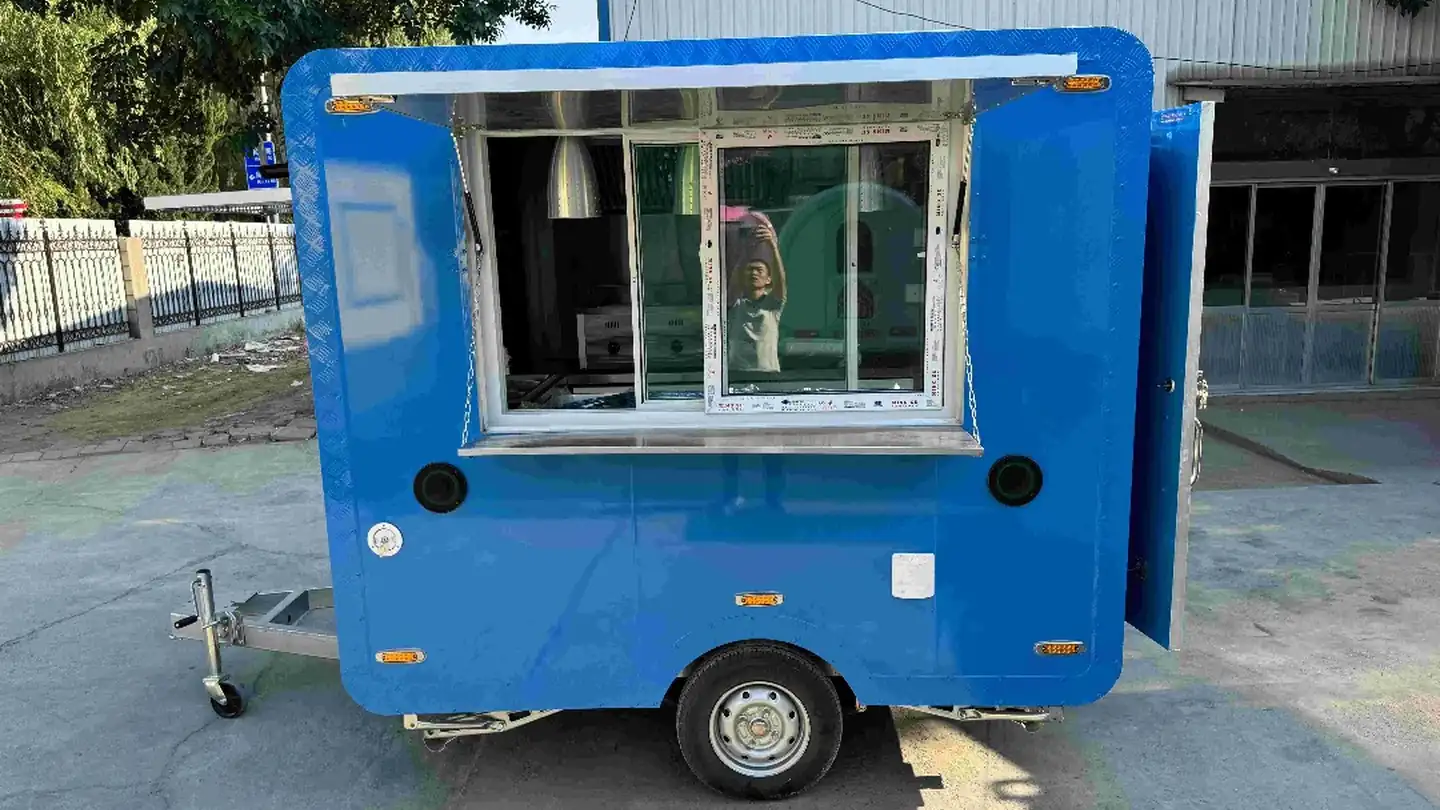
Food Truck Conversion Basics: Planning, Layout, Equipment and Permits
Learn the basics of converting a van or trailer into a food truck: choosing a vehicle, kitchen layout, gas and electrics, water, ventilation, hygiene and permit research.
Converting a van or trailer into a food truck shares some skills with building a campervan, but the goals are very different. A campervan is designed for living; a food truck is a mobile commercial kitchen that must be efficient, hygienic, safe and compliant with food and vehicle regulations. Done well, it can be a flexible way to start a food business, attend events or test a concept before opening a fixed location.
This guide covers the basics of planning a food truck conversion. It is not legal advice. Regulations differ greatly between countries and municipalities, so research local requirements and speak to the relevant authorities before you spend money.
Start With the Business, Not the Vehicle
Before choosing a vehicle, define:
- Your menu. It determines your equipment, power, gas and space needs.
- Your service style. Fast street food, coffee, desserts and full meals need very different setups.
- Where you will trade. Events, markets, private hire, roadside spots or a fixed pitch.
- Your volume. How many customers you expect to serve per hour at busy times.
A simple, focused menu is usually easier to execute in a small mobile kitchen.
Van, Truck or Trailer?
Converted Van
Advantages: single vehicle, easy to drive and park, good for smaller menus such as coffee or snacks.
Drawbacks: limited space and payload; if the van breaks down, your kitchen is out of action.
Larger Truck
Advantages: more space for staff and equipment.
Drawbacks: more expensive, harder to park, may need a different licence category.
Food Trailer
Advantages: can be left on site while the tow vehicle is used for other tasks; often more interior space for the cost.
Drawbacks: requires towing skills and a suitable tow vehicle. Our beginner's guide to towing a caravan covers the basics that apply to any trailer.
Whatever you choose, check the payload carefully. Commercial kitchen equipment, water and gas are heavy. Our guide to the best vans for camper conversion explains payload and base vehicle choices.
Research Permits and Regulations Early
Requirements may include:
- Food business registration or licence.
- Food hygiene certification for operators.
- Trading permits for specific locations or events.
- Gas safety certification by a qualified installer.
- Electrical safety inspection.
- Fire safety equipment requirements.
- Vehicle registration and inspection after conversion.
- Commercial insurance.
Talk to local authorities before building. They may have specific rules on sinks, surfaces, water capacity and waste.
Kitchen Layout Principles
Good food truck layouts follow a logical workflow:
- Storage (cold and dry).
- Preparation.
- Cooking.
- Serving.
- Cleaning.
Tips:
- Place the serving hatch where customers can queue safely, away from traffic.
- Keep hot equipment away from the serving area to protect staff and customers.
- Leave enough space for staff to move safely.
- Plan where money is handled, separate from food preparation.
- Group equipment that uses gas near ventilation and away from fuel tanks.
Draw your layout to scale and mark it on the floor with tape before building, as recommended in our campervan bed layout guide.
Surfaces and Materials
Food areas generally need smooth, durable, easy-to-clean surfaces. Stainless steel is common for worktops and wall areas near cooking. Floors should be non-slip and easy to wash. Avoid materials that absorb moisture or are hard to clean. Check local hygiene rules for specific requirements.
Gas Systems
Many food trucks use LPG for cooking equipment.
- Have the gas system designed and installed by a qualified professional.
- Store gas bottles in a ventilated, secured compartment.
- Fit appropriate regulators, hoses and shut-off valves.
- Install gas and carbon monoxide detection where appropriate.
- Ensure good ventilation for combustion and fumes.
Gas safety is non-negotiable in a confined space with members of the public nearby.
Electrical Systems
Food trucks often need much more power than campervans, especially for fridges, freezers, coffee machines and lighting.
Options include:
- Shore power at events or fixed pitches.
- Generators, which are noisy and must be positioned safely for exhaust.
- Large battery systems with inverters and solar, which are quieter but can be expensive for high loads.
Have the system designed by someone experienced with mobile installations and inspected where required. The principles in our electrical and solar basics guide apply, but commercial loads are much larger.
Water and Handwashing
Hygiene rules often require:
- Fresh water tank with enough capacity for a service.
- Hot water for handwashing and cleaning.
- Separate handwash sink, in addition to sinks for washing equipment.
- Grey water tank, usually larger than the fresh tank.
Dispose of grey water only at approved locations. Our campervan water system guide explains pumps, tanks and pipework.
Ventilation and Extraction
Cooking produces heat, steam, smoke and grease. A food truck needs:
- An extraction hood over cooking equipment, often with grease filters.
- Fresh air supply to replace extracted air.
- Cleaning routine for filters and ducting to reduce fire risk.
Without good extraction, the kitchen quickly becomes uncomfortably hot and condensation can damage the interior. Our ventilation and condensation guide explains the basics of airflow.
Refrigeration
Commercial-grade refrigeration designed for mobile use helps keep food at safe temperatures during long services in hot weather. Check that units are suitable for vehicle installation and ventilate them properly. See our 12V fridge guide for ventilation principles.
Fire Safety
- Fit appropriate fire extinguishers for the types of fire risk you have, including cooking oil fires.
- Keep a fire blanket near the cooking area.
- Train all staff on emergency procedures.
- Keep exits clear.
Insulation and Heat Management
Food trucks in hot climates can become very hot. Insulation, reflective roof coatings and good ventilation help. Our insulation guide and staying cool guide give useful background.
Budgeting
As a labelled example only, food truck conversion costs range from modest for a simple coffee van using second-hand equipment to very high for a fully equipped truck with commercial cooking lines. Major cost areas are the base vehicle, kitchen equipment, gas and electrical installation, extraction, finishes, permits and insurance. Get quotes and build in a contingency. Our van conversion cost breakdown shows how to structure a budget.
Common Mistakes
- Building before checking regulations.
- Overloading the vehicle with heavy equipment.
- Too large a menu for the space.
- Poor extraction and ventilation.
- Underestimating power needs.
- Forgetting staff comfort and safe movement.
Testing Before Launch
Before your first paid event, run several practice services. Cook your full menu for friends or family under realistic time pressure. You will quickly discover bottlenecks: a fridge in the wrong place, a worktop that is too small or a serving hatch that is awkward to reach. Fix these before opening to the public. Also time how long your water, gas and power last during a busy service so you know what you need to refill or bring.
Final Thoughts
A food truck is a serious commercial project. Plan your menu and business first, research local regulations early, and invest in safe gas, electrics and hygiene. With a thoughtful layout and a focused menu, a mobile kitchen can be a flexible and rewarding way to bring your food to people.
Gear we recommend
As an Amazon Associate we earn from qualifying purchases. Learn more.
- Commercial propane griddle on Amazon
- Stainless steel prep table on Amazon
- Fire extinguisher kitchen class K on Amazon
- Generator inverter quiet on Amazon